Complete Guide to ERAS Residency Headshots in Nepal
PUBLISHED : 6th Sep 2026
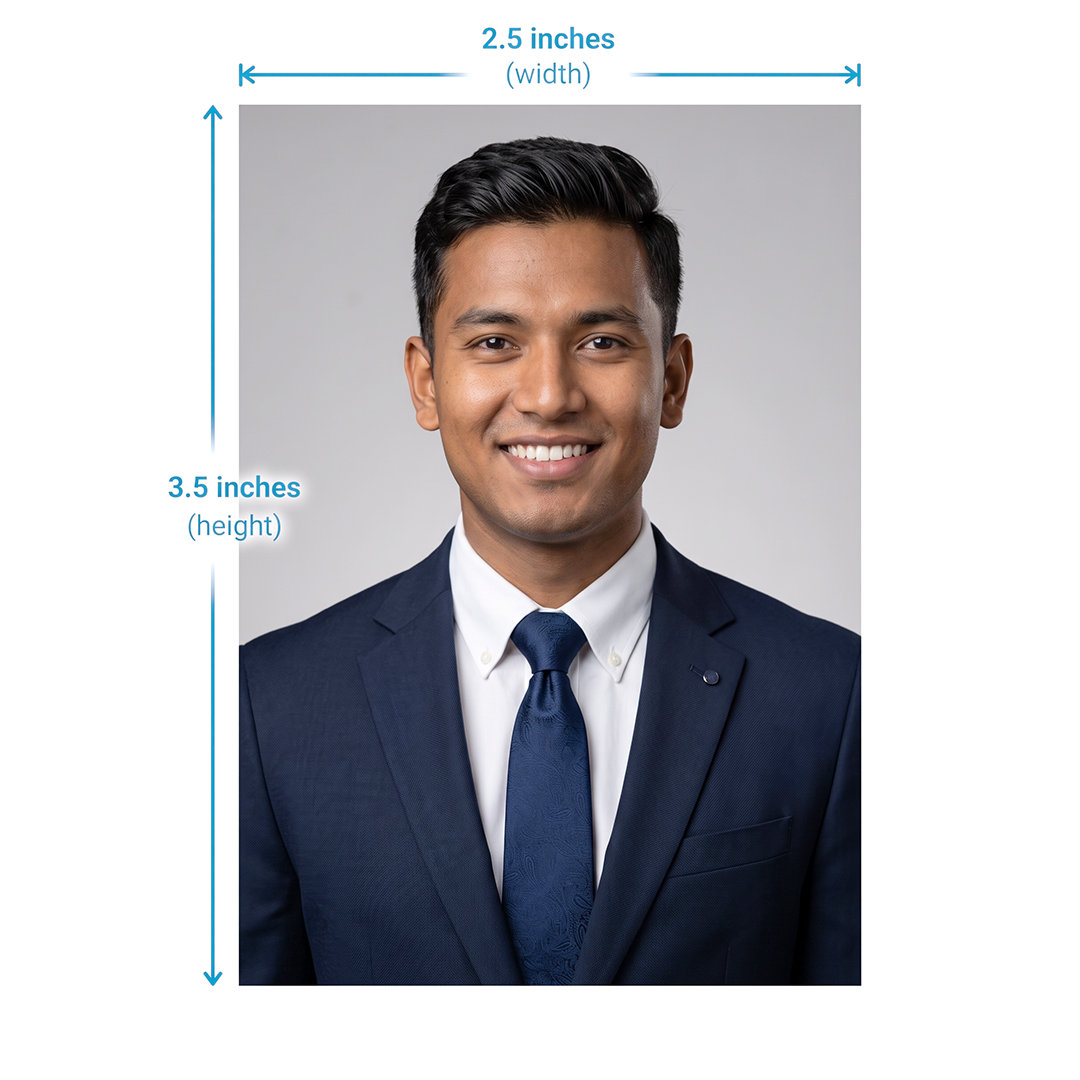
Complete Guide to ERAS Residency Headshots in Nepal: Requirements, Attire, and Pro Tips for IMGs
Applying for the U.S. Medical Residency Match via ERAS (Electronic Residency Application Service) is one of the most demanding milestones in a medical career. For International Medical Graduates (IMGs) applying from Nepal, every detail counts—from USMLE scores and clinical experience down to the thumbnail photo on the application portal.
Residency selection committees review hundreds of profiles. Your headshot serves as your visual introduction and the image interviewers keep on screen during virtual panels.
Here is everything you need to know about getting an upload-ready, AAMC-compliant ERAS headshot in Nepal.
1. Official AAMC ERAS Technical Specifications
The Association of American Medical Colleges (AAMC) enforces rigid upload restrictions on the MyERAS portal. Submitting an improperly sized or bloated file will trigger immediate upload errors or result in blurry, distorted display previews.
-
Dimensions: 2.5 × 3.5 inches (portrait orientation, 5:7 aspect ratio)
-
Maximum File Size: Strictly under 150 KB
-
Resolution: Minimum 150 DPI (300 DPI is optimal for sharpness)
-
Pixel Dimensions: 750 × 1050 pixels (at 300 DPI) or 375 × 525 pixels (at 150 DPI)
-
Format: JPEG / JPG (.jpg)
-
Color Profile: sRGB
Staying under the 150 KB limit while preserving sharp facial definition and clean gradients requires precise manual compression rather than automated phone app exports.
2. Proper Attire: Business Formal vs. The White Coat
Residency program directors overwhelmingly prefer classic business formal attire over casual wear or clinical garments.
-
Dark Suit Jacket: A navy blue, charcoal gray, or classic black tailored blazer frames the neckline cleanly against studio backdrops.
-
Collared Shirt or Blouse: A crisp white, light blue, or neutral-toned shirt keeps the focus squarely on the face.
-
Ties & Accessories: Men should choose subtle, professional ties (solid silk or muted micro-patterns in navy, burgundy, or forest green). Keep jewelry understated—stud earrings and clean necklines work best.
-
Skip the Short White Coat: Unless specifically required by your home medical institution, avoid wearing a student white coat. Committees know you are applying for residency, and white coats frequently blow out highlights against lighter studio backgrounds.
3. Facial Expression: Can You Smile with Teeth?
Yes. A genuine smile with teeth showing is not only acceptable—it is widely preferred.
While ERAS guidelines mention a "natural" facial expression, this should not be confused with a rigid, solemn passport photo. A warm, approachable smile conveys confidence, emotional intelligence, and ease of communication—all qualities program directors look for in future residents.
4. Retouching: Realism Over AI Filters
Residency interviews are conducted almost entirely over Zoom, WebEx, or Microsoft Teams. Interviewers see your ERAS photo directly beside your live video feed.
Selection committees actively penalize heavily edited, plastic-smoothed, or AI-generated portraits:
-
What to keep: Natural skin texture, moles, birthmarks, and authentic facial contours.
-
What to polish: Stray flyaway hairs, minor temporary blemishes, lint on dark fabrics, and slight glare on eyeglasses.
5. Getting Your ERAS Headshot in Kathmandu
Local standard photo studios often treat residency photos like ordinary passport snaps, using harsh direct flash, flat white walls, and severe crops.
At PhotoStudioService.com, our studio workflow is configured to international Match standards:
-
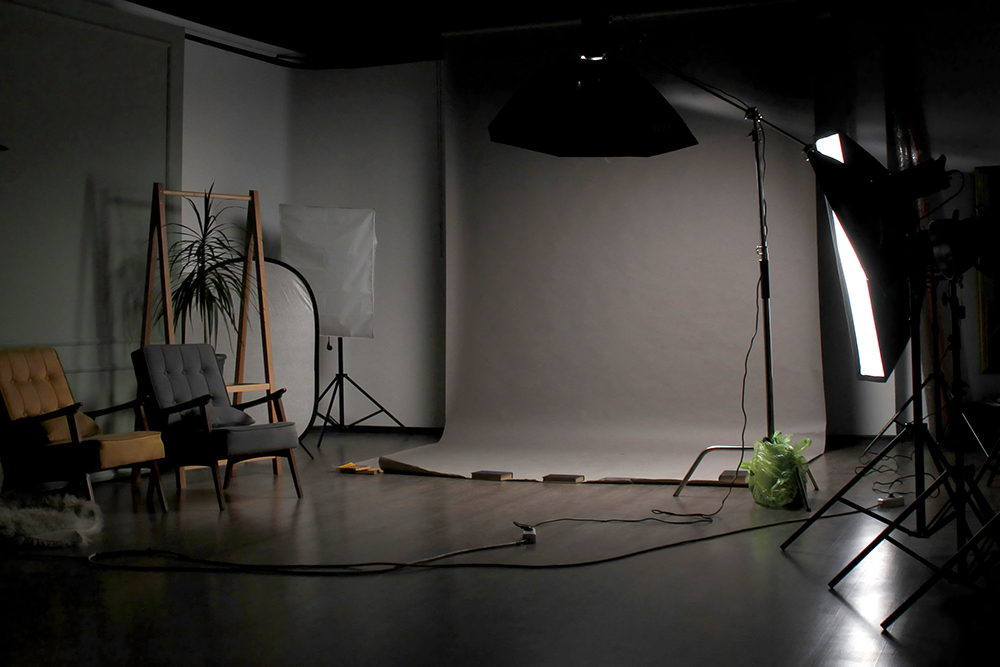
Controlled softbox lighting to eliminate harsh shadows under the eyes and chin.
-
Approved neutral backdrops (medium slate gray and soft charcoal).
-
Precision post-processing guaranteeing files under 150 KB at 300 DPI, ready for instant MyERAS portal upload.
Book your session early in the application cycle to ensure your visual portfolio is complete, compliant, and interview-ready.